Create a Balanced Plate for Healthy Living
How to Create a Balanced Plate for Healthy Living
Eating a balanced diet is crucial for maintaining good health. But how do you create a balanced plate that includes all the nutrients your body needs? In this blog post, we will explore the components of a balanced plate and how you can easily put together meals that fuel your body.
Why a Balanced Plate Matters
A balanced plate ensures your body gets a mix of essential nutrients. When you eat balanced meals, you provide your body with energy, support your immune system, and maintain a healthy weight. A balanced diet can also help prevent diseases.
Components of a Balanced Plate
Building a balanced plate is simple when you focus on these key components:
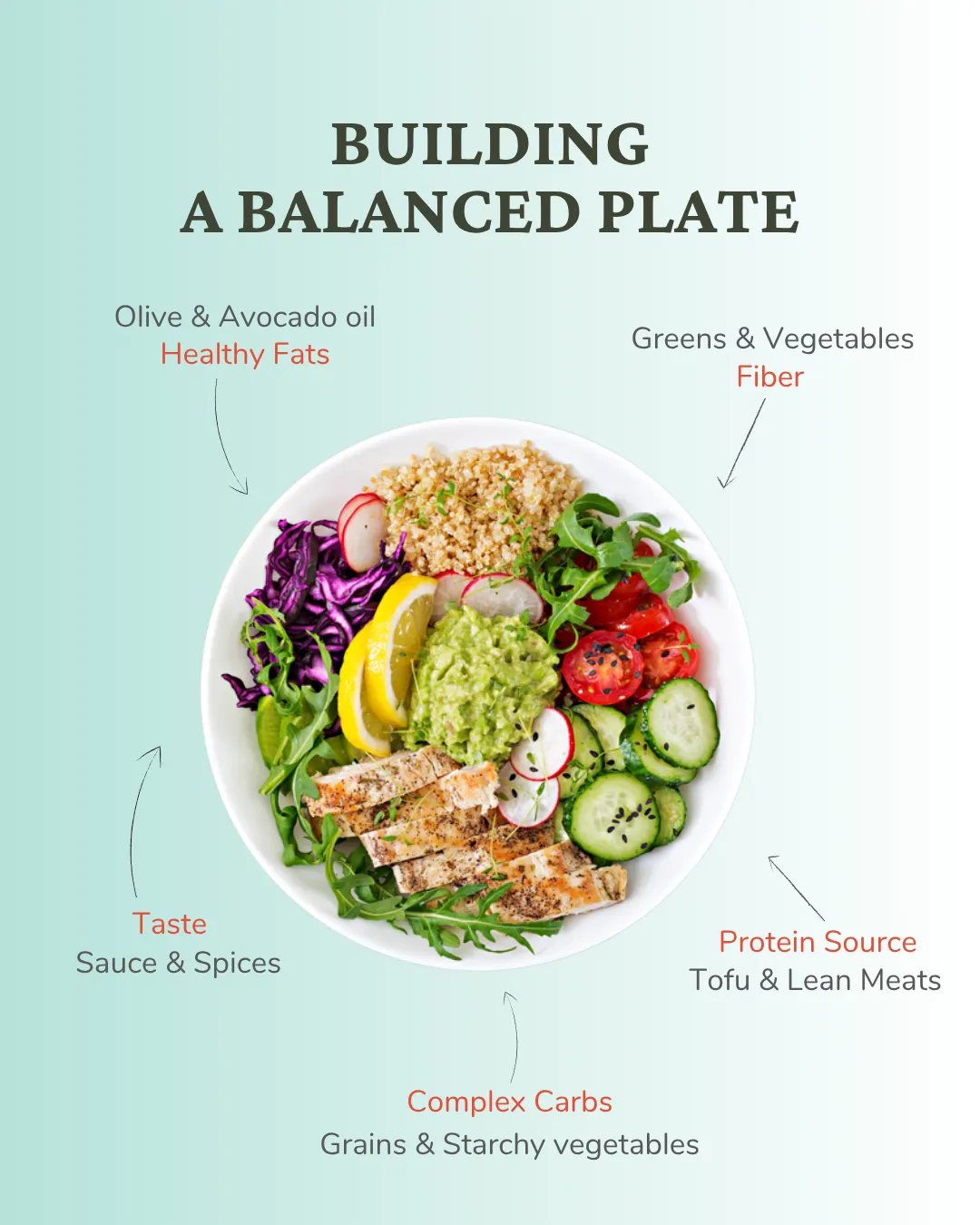
- Healthy Fats: Incorporate healthy fats like olive oil and avocado oil. They provide energy and help absorb vitamins.
- Fiber: Fill your plate with greens and vegetables. Fiber aids digestion and keeps you full longer.
- Complex Carbs: Include grains and starchy vegetables. They are a great energy source.
- Protein Source: Add tofu or lean meats to your meals. Proteins build and repair tissues.
- Taste: Don't forget to add sauce and spices. They enhance the flavor of your food without extra calories.
Steps to Build Your Balanced Plate
- Choose Your Base: Start with a good portion of greens and vegetables. Aim for at least half your plate.
- Add Protein: Select lean proteins like grilled chicken, tofu, or fish.
- Include Whole Grains: Opt for whole grains like quinoa or brown rice to fill a quarter of your plate.
- Healthy Fats: Drizzle olive oil over your salad or incorporate avocado slices for fats.
- Spice It Up: Use herbs and spices to enhance taste without adding extra fat or sugar.
Benefits of a Balanced Plate
Eating a well-balanced plate has numerous advantages:
- Maintains Energy Levels: Carbs provide quick energy, while protein and fats offer long-lasting fuel.
- Improves Digestion: Fiber-rich foods promote healthy digestion and prevent constipation.
- Supports Weight Management: A balanced diet helps in maintaining or achieving a healthy weight.
- Boosts Immune System: Nutrient-rich foods strengthen your body's defenses.
Conclusion
Building a balanced plate doesn't have to be complicated. By incorporating a variety of foods from each nutrient group, you can create delicious and nutritious meals that support your health. Start today by following these simple tips and feel the difference in your energy levels and overall well-being.